Signs spray foam insulation is causing roof rot in Harrogate homes
Damp patches, sagging roof timbers and musty loft smells are the first clues. Here is how to tell if spray foam insulation is rotting your Harrogate roof.
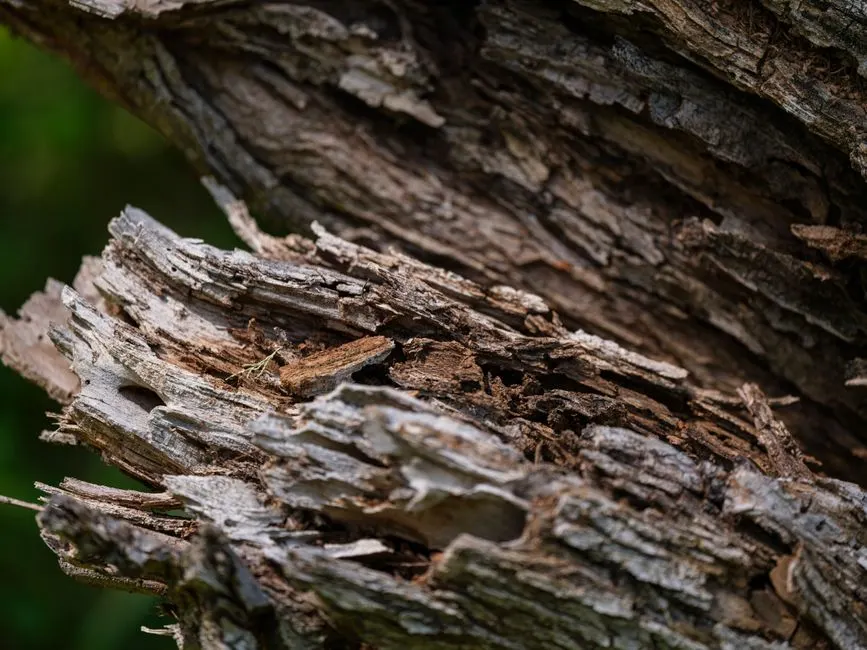
The clearest signs spray foam insulation is causing roof rot in Harrogate homes are damp or dark-stained roof timbers, a musty smell in the loft, condensation on the underside of the foam, and felt or battens that crumble when you touch them. If you can see any of those, the foam is almost certainly trapping moisture against the timber and the rot has already started.
We have pulled spray foam out of lofts across Harrogate, Knaresborough and the surrounding villages, and the pattern is remarkably consistent. This article covers what roof rot actually looks like, the eight warning signs worth checking this weekend, why spray foam causes the problem in the first place, and what removal and repair involves in 2026.
What roof rot from spray foam insulation actually looks like
Roof rot from spray foam insulation in Harrogate is a wet rot problem, not a dry rot one, and it starts where the foam meets the timber. Spray foam insulation is a polyurethane material sprayed directly onto the underside of roof tiles, felt and rafters, where it expands and sets into a rigid, airtight layer. That airtight layer is the problem: it seals the roof deck so thoroughly that any moisture already in the timber, or any that gets in later, has nowhere to go.
Wet rot needs timber above roughly 20% moisture content to get going. Once it does, the wood darkens, softens, and loses its structural strength long before it looks obviously rotten from across the loft. By the time a rafter snaps or a batten crumbles in your hand, the decay has usually been running for two or three years.
We see this most in older Harrogate properties - the Victorian and Edwardian terraces around Harrogate Town Centre spray foam removal and the 1930s semis out towards Bilton and Starbeck, where original roof timbers were never treated and the felt is now 40-plus years old.
How do I know if spray foam insulation is causing roof rot in Harrogate?
You know spray foam is causing roof rot when the moisture readings on your rafters sit above 20% and the foam itself is damp to the touch on its underside. A cheap pin-type moisture meter - £20 to £40 from any builder's merchant - pushed into the rafter next to the foam will tell you in seconds. Anything over 20% is a problem; over 25% and you are looking at active decay.
There are two other giveaways. First, the foam feels cold and clammy rather than dry, even in summer. Second, when you press a screwdriver into the timber beside it, the wood sinks instead of resisting. Healthy roof timbers are hard. Rotten ones feel like balsa.
If you are not confident poking around in the loft, our insulation assessment Harrogate North Yorkshire includes moisture readings on every accessible rafter, a thermal check for cold bridging, and a written summary of what we find. It takes about 90 minutes on a typical Harrogate semi.
The eight warning signs we find most often in Harrogate lofts
These are the signs we document most frequently when we survey spray foam installations across North Yorkshire. Check them in this order - the first four you can spot from the loft hatch without climbing in.
- A musty, earthy smell in the loft or top-floor landing. Wet rot gives off a distinctive damp-cellar odour. If your landing smells like a cellar in August, that is your first clue.
- Condensation dripping from the foam or the roof felt. Look for water beads on the underside of the foam on a cold morning.
- Dark staining or black mould on rafters and battens. Timber that has been wet for months goes grey-black before it softens.
- Paint or plaster blistering on the ceiling below. Moisture migrating through the ceiling shows up as bubbles or brown tide marks.
- Soft or spongy timber when you press it. Push a screwdriver into a rafter beside the foam. It should not sink.
- Foam that has pulled away from the rafters. Gaps at the edges let warm, moist air behind the foam - the worst possible place for it.
- Rusty nail plates and fixings. Metal corrodes fast in a damp roof space, and rust streaks on timber mean long-term moisture.
- Sagging roof lines visible from outside. If the ridge or eaves have dropped, structural timbers are already compromised.
One sign on its own is worth investigating. Three or more together and you should stop using the loft for storage until it has been assessed.
Why spray foam traps moisture in North Yorkshire roofs
North Yorkshire roofs get wet. Harrogate sits at around 100 metres above sea level with prevailing westerlies off the Pennines, and we average roughly 780mm of rain a year - plenty of it driven sideways into roof tiles and slates. Traditional roofs are designed to breathe: moisture that gets in through a slipped tile or a cracked slate escapes through the ventilated loft space and out through eaves vents.
Spray foam blocks that escape route in two ways. It seals the gap between the tiles and the loft, so any water that gets past the roof covering has nowhere to evaporate. And because it is applied directly to the underside of the felt, it traps a layer of moisture between the foam and the timber that never dries out.
There is a second, less obvious problem. Spray foam applied at the rafter line turns your cold loft into a warm one, which means the dew point shifts. Warm, moist air from the house - bathrooms, kitchens, drying laundry - rises into the loft and condenses on the first cold surface it meets. That surface is now the foam, and behind the foam is your timber.
We have seen this pattern across every Harrogate suburb we work in, from the larger Victorian villas around The Stray spray foam removal to the post-war housing in Woodlands and Hookstone. The age of the property changes the timeline, not the outcome.
What to watch out for before you book any removal
The biggest mistake homeowners make is treating roof rot as a cosmetic problem and painting over it. Rot does not stop at the surface. If you sand back a stained rafter and paint it, the decay keeps eating inwards and you will be replacing the whole roof in three years instead of three rafters now.
The second mistake is letting a general builder remove the foam with a hammer and chisel. Spray foam bonds to timber and felt with real tenacity, and brute force takes chunks of felt and slate with it. We use dry ice blasting spray foam removal Harrogate North Yorkshire for exactly this reason - the foam embrittles at around -78°C and lifts away cleanly without damaging the roof covering underneath.
Third: do not assume your mortgage lender will accept a surveyor's report that says "foam present, monitor". Most high-street lenders now flag spray foam as a defective material, and a growing number of Harrogate sales have stalled because of it. If you are selling, get the removal done properly and keep the paperwork.
Fourth: check whether the foam is open cell or closed cell. Open cell is softer, more vapour-permeable and generally easier to remove. Closed cell is denser, sets like rock, and is the type most often associated with trapped moisture. Our closed cell spray foam removal Harrogate team handles the harder stuff, but it takes longer and costs more.
Can roof rot from spray foam be fixed in Harrogate?
Yes - roof rot from spray foam can be fixed in Harrogate, and in most cases the repair is less drastic than homeowners fear. The sequence is straightforward: remove the foam, dry the timber, treat or replace what is rotten, then reinstate ventilation so the roof can breathe again.
Here is what a typical job looks like in 2026 pricing for a three-bedroom Harrogate semi with foam across the whole roof slope:
- Survey and moisture mapping: £150-£250, usually credited against the removal if you proceed.
- Spray foam removal (80-120m² of roof): £2,400-£4,800 depending on foam type and access.
- Timber treatment for surface rot: £400-£900.
- Rafter or batten replacement where rot is structural: £120-£280 per rafter, plus labour.
- Ventilation reinstatement (eaves vents, tile vents, breathable membrane): £600-£1,400.
Most jobs take three to five days on site. We handle the whole sequence - removal, drying, treatment, and reinstating ventilation - so you are not coordinating three different trades. For homeowners selling up, we also produce the documentation lenders want; you can read more about that on our mortgage lender spray foam removal Harrogate North Yorkshire page.
One caveat worth knowing: if more than about 30% of the rafter depth has rotted through, the timber has to come out. We will tell you that on day one, not after we have started stripping foam.
When to call a professional
Call us when you can see or smell any of the eight signs above, when a surveyor has flagged spray foam on a mortgage report, or when you are planning to sell within the next 12 months. Those are the three situations where delay costs real money.
You can also call if you simply want to know whether your loft is fine. A surprising number of the surveys we carry out across Harrogate come back clean - the foam was installed correctly, the roof was already well ventilated, and there is no rot at all. Knowing that is worth the survey fee.
Our team at Spray Foam Removal Harrogate works across the town and the surrounding villages, and we can usually get eyes on a loft within a few days of your call. If the foam has to come out, we will tell you. If it does not, we will tell you that too.
Frequently Asked Questions
How do I know if spray foam insulation is causing roof rot in Harrogate?
Push a moisture meter into the rafter beside the foam. Readings above 20% mean the timber is wet enough for rot to develop. Combine that with a musty loft smell, dark staining on timbers, or condensation on the foam and you have your answer. A professional survey confirms it in about 90 minutes.
What are the signs of roof rot from spray foam in Harrogate North Yorkshire?
The main signs are musty smells in the loft, condensation on the underside of the foam, black staining on rafters, soft timber when pressed, rusty nail plates, and blistering paint on the ceiling below. Three or more together usually means active decay rather than a one-off damp patch.
Can roof rot from spray foam be fixed in Harrogate?
Yes. We remove the foam, dry the timber, treat or replace rotten sections, and reinstate roof ventilation. Most three-bedroom Harrogate semis take three to five days on site, with removal costs typically between £2,400 and £4,800 in 2026 depending on foam type and roof size.
Does spray foam insulation cause roof rot in Harrogate homes?
Not always, but it is the most common cause of wet rot we see in Harrogate lofts. The foam itself does not rot timber - it traps moisture against it and blocks the ventilation that would normally dry it out. Correctly installed foam over a well-ventilated, dry roof is usually fine.
Will my mortgage lender refuse a property with spray foam in Harrogate?
Many high-street lenders now treat spray foam as a defective material and will not lend against it without a removal certificate. If you are buying or selling in Harrogate, get a survey early and budget for removal. We provide the documentation lenders ask for once the work is done.
Get help with Spray foam removal in Harrogate
If you have spotted any of the signs above, the sooner the foam comes out the less timber you will be replacing. We survey, remove and repair across Harrogate and North Yorkshire, and we will give you a straight answer on whether your roof actually needs the work.
Call Spray Foam Removal Harrogate on 0333 567 2543 to book a loft survey or talk through what you have found.