Mortgage refused because of spray foam
We remove the foam, inspect and photograph every rafter, and supply a documented pack that surveyors and lenders across North Yorkshire accept. Most clients are back on track within a week of the strip-out.
Attic spray foam removal in Harrogate is the job we do most weeks, and it is rarely as simple as scraping foam off a rafter. We remove open cell and closed cell spray foam from lofts across North Yorkshire, inspect the timbers underneath, and leave the roof space clean enough for a mortgage valuation or a fresh insulation install. If a surveyor has flagged your loft, call us.

Attic spray foam removal in Harrogate means taking out the polyurethane foam sprayed between and over the rafters, then checking what it was hiding. Foam is applied as a liquid and expands to seal every gap, which is why it traps moisture against roof timbers. We cut it back with a spray foam removal saw and an oscillating multi-tool, bag it, and run an industrial vacuum and air scrubber so no dust settles in your bedrooms below. The foam itself is not the problem; what it does to ventilation is.
Most Harrogate lofts we open were foamed between 2008 and 2015 under a green deal or a cold-call insulation push. On a 1930s semi off The Stray or a stone-built terrace in Bilton, that foam sits directly against old felt and battens with no air gap. Water vapour from the house rises, hits the cold foam, and stays there. We have pulled foam off rafters where the timber was still sound, and we have found roof rot two rafters in. A moisture meter tells you which within minutes.
Every job is quoted as a complete package, so you know what you are paying for before we start. The list below covers a standard Harrogate loft; larger roofs, rot repairs and cavity wall foam are quoted on top after the survey.
We inspect the loft with a thermal imaging camera, moisture meter and boroscope, measure the foamed area, and identify whether you have open cell or closed cell foam. You get a fixed written quote the same day, with no obligation.
Protective sheeting across the loft floor and joists, a sealed hatch, dust extraction unit and air scrubber running throughout. Foam is cut with a spray foam removal saw and oscillating multi-tool, then bagged and carried out through the loft.
Every rafter is checked for moisture and decay once the foam is off. Any rot is cut out and spliced, and sound timbers are treated. You get before-and-after photographs of each rafter for your records or your lender.
We clear the eaves vents and confirm air can move through the loft again. Restoring ventilation is what stops the condensation and damp coming back, and it is included rather than sold as an extra.
Industrial vacuum across the loft, wipe-down of joists, removal of all sheeting and debris, and responsible disposal of the foam waste. The loft is left swept and ready for fresh insulation or a valuation.
A written summary with the full photo record, emailed to you and, if you ask, straight to your solicitor, broker or surveyor. This is the document that gets foam-flagged mortgages moving again.
We inspect the loft, measure the foamed area, and check the timbers with a moisture meter and boroscope. You get a fixed written price the same day, usually within two hours of the visit. We tell you then if we think the foam is open cell or closed cell, because that changes the removal method and the cost.
Before any cutting starts we lay protective sheeting across the loft floor and joists, seal the hatch with a zip door, and set up dust extraction and an air scrubber. Any cables or pipework running through the foam get labelled and protected. This stage takes about 45 minutes and it is the reason your landing stays clean.
We cut the foam back in sections using a spray foam removal saw and an oscillating multi-tool, working from the ridge down so debris falls away from us. Closed cell foam comes off in blocks; open cell foam is softer and comes away in sheets. A two-person crew clears a typical 40 square metre Harrogate loft in one day.
With the foam gone we inspect every rafter, check moisture readings, and treat any timber decay we find. Where rot has taken hold we cut out and splice the affected section rather than patch over it. You get photographs of each rafter before and after treatment, which is exactly what a lender wants to see.
We vacuum the loft with an industrial vacuum, wipe down the joists, and remove all sheeting and debris. You get a written summary, the photo record, and a workmanship warranty. If you are selling, we can email the pack to your solicitor the same day so it does not hold up the chain.
Purpose-built equipment, used by trained technicians — so the job is done accurately the first time.
Purpose-built for cutting dense closed cell foam away from rafters in controlled blocks, with a depth guide that stops the blade reaching the timber.
Used for detail work around rafters, dormers, pipework and truss ends where a saw will not fit. Lets us cut foam back flush without gouging the wood.
Freezes and lifts stubborn foam residue from delicate timbers and awkward corners without abrasive damage, ideal for older Harrogate roof structures.
Captures foam dust at source and filters the air in the loft throughout the job, so nothing migrates down into your living space.
Used on every survey to find hidden leaks and damp before we quote, and again after removal to confirm the timbers are drying correctly.
A slim inspection camera that lets us look behind foam, under felt and inside rafter runs without cutting anything open unnecessarily.
A four-bedroom detached house in Duchy had closed cell foam sprayed across every rafter. The buyer's surveyor could not inspect the timbers and the lender withdrew the mortgage offer nine days before exchange.
We stripped 62 square metres of closed cell foam in a day and a half, found two rafters with early decay, treated them, and supplied a full photographic pack. The lender reinstated the offer and the sale completed three weeks later.
A landlord in Starbeck had foam sprayed in a rental loft in 2012. By 2025 the upstairs ceilings showed recurring damp patches and the tenant was complaining about mould. Two previous contractors had only painted over the stains.
We removed the open cell foam, cleared the blocked eaves vents and found the loft had no airflow at all. Moisture readings dropped from 24 percent to 14 percent within six weeks. The mould has not returned.
A homeowner in Oatlands wanted a loft conversion but the builder refused to start until the old spray foam was gone. It covered the rafters, the party wall and the area around the water tank, and it was bonded hard to old felt.
We stripped the foam over two days, protected the pipework and cabling, and left the loft clean and ready for the conversion. The builder started the following Monday with no delays and no extra prep costs.
Foam rarely causes a problem on the day it is sprayed. It causes problems five to fifteen years later, usually at the worst possible moment. These are the four we deal with most in Harrogate.
Ask a pro →We remove the foam, inspect and photograph every rafter, and supply a documented pack that surveyors and lenders across North Yorkshire accept. Most clients are back on track within a week of the strip-out.
We cut the foam back, check moisture readings on every rafter, and cut out and splice any decayed sections. Catching rot at one or two rafters is a repair; leaving it is a re-roof.
Removing the foam restores airflow through the loft. We clear the eaves vents at the same time, which is what actually stops the condensation returning. Most damp patches dry out within a few weeks.
We strip the over-spray, clear the vents, and label any cables or pipes we uncover. If you are planning a loft conversion or a rewire, doing this first saves money later.
Typical 2026 pricing in Harrogate runs from 1,200 to 3,500 pounds for a standard house loft, depending on the area foamed and whether it is open cell or closed cell foam. Closed cell is denser and slower to cut, so it sits at the top of that range. Rot repairs, if we find any, are quoted separately. The survey and fixed quote are free.
Yes. Most lenders refuse to lend on a foam-sprayed roof because the valuer cannot inspect the timbers. Once the foam is removed and we supply the photographic record showing clean, dry rafters, surveyors in North Yorkshire will normally sign the property off. We have helped buyers complete on houses in Harrogate, Knaresborough and Ripon after an initial refusal.
A typical 40 square metre Harrogate loft takes one working day for a two-person crew to strip, inspect and clean. Larger roofs, or lofts with closed cell foam over every rafter, run to two days. We give you the expected duration in the quote, and we do not leave a job half-done overnight unless the loft is secure.
You need it if a surveyor has flagged the foam, if timbers feel soft behind it, or if you are seeing damp patches on ceilings below. Foam traps moisture against rafters and blocks ventilation, so the damage is hidden until it is expensive. A free moisture meter check tells you in ten minutes whether removal is urgent or can wait.
 Spray Foam Removal near meIf you are searching for spray foam removal near me in Harrogate, we cover the whole town and surrounding villages. Same crew, same equipment, same fixed pricing whether you are in Starbeck or Pannal Ash.Explore →
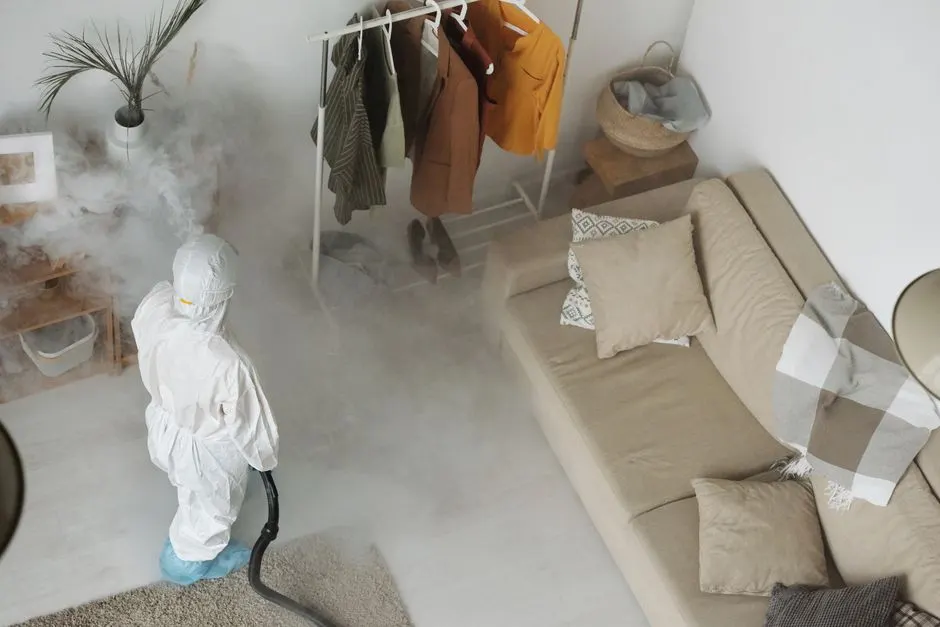 same day Spray Foam RemovalWhen a valuation is booked or a sale is stalling, we can often attend the same day across Harrogate. Call before 10am and we will tell you honestly whether we can get to you that day.Explore →
 24/7 Spray Foam RemovalOur phone line is answered 24/7 for storm damage, leaks into foamed lofts, and urgent pre-sale work. Emergency attendance across Harrogate and North Yorkshire is quoted before we travel.Explore →
 Residential Spray Foam RemovalMost of our work is residential: semis, terraces and detached homes across Harrogate. We sheet floors, seal hatches and use dust extraction so your home stays liveable while we work.Explore →
 Commercial Spray Foam RemovalWe also strip foam from commercial roofs and warehouses around Harrogate, working around your operating hours. Larger areas are priced per square metre with a clear programme before we start.Explore →
 loft spray foam removalLoft spray foam removal Harrogate is our core service. We remove open and closed cell foam from rafters and roof decks, inspect the timbers, and leave the loft ready for fresh insulation or a valuation.Explore →
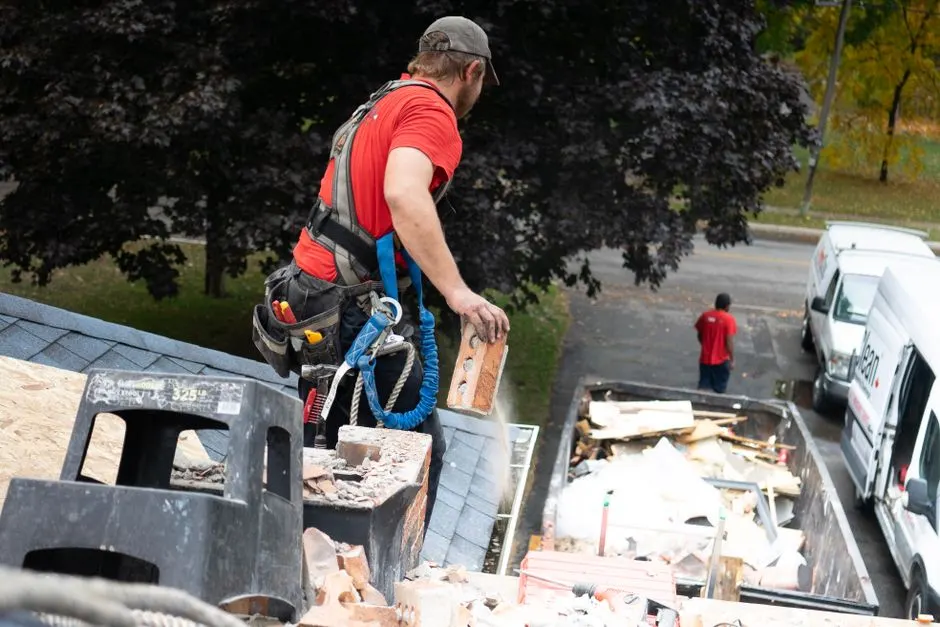 roof spray foam removalFoam sprayed directly onto roof decks and tiles is harder to reach. We work from inside the loft where possible and use specialist cutting tools to avoid damaging the roof covering above.Explore →
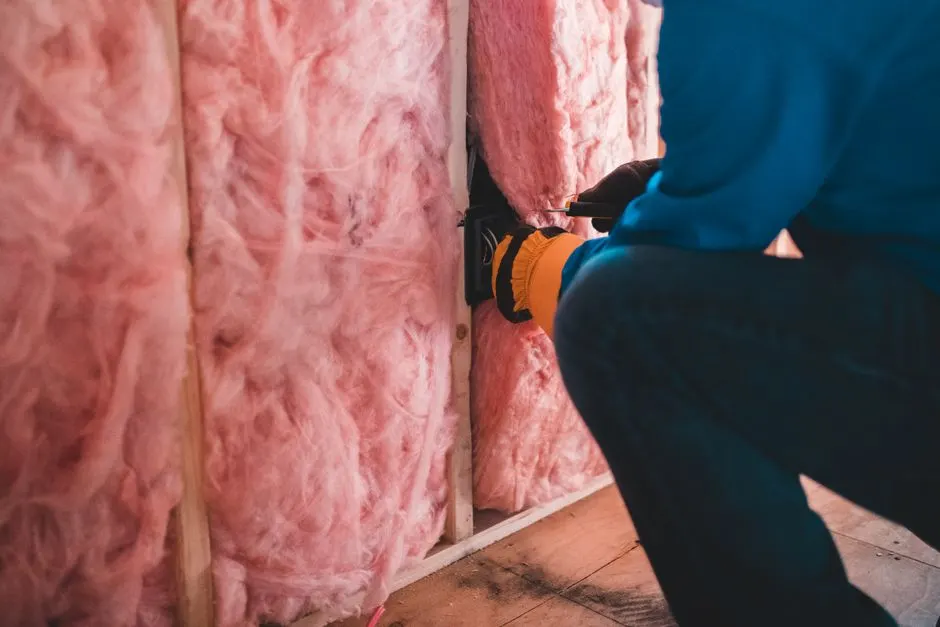 spray foam insulation removalFull spray foam insulation removal for Harrogate homes, including foam between rafters, over joists and around dormers. We remove, inspect and document in one visit.Explore →
Survey and fixed quote are free, and we can usually attend within 48 hours. If a valuation is booked or a sale is stalling, tell us on the phone and we will prioritise it. Call 0333 567 2543, 24/7, and speak to someone who has actually stripped a Harrogate loft.
Get a free quote 03335672543 →Call us on 0333 567 2543 or email [email protected] and we will get back to you the same working day. Our phone line stays open 24/7 for emergency foam removal, and we can usually survey your roof within 48 hours of your first call.