How to remove spray foam insulation from a loft
A practical, Harrogate-specific guide to removing spray foam insulation from your loft: methods, costs, safety, and when to bring in a professional.
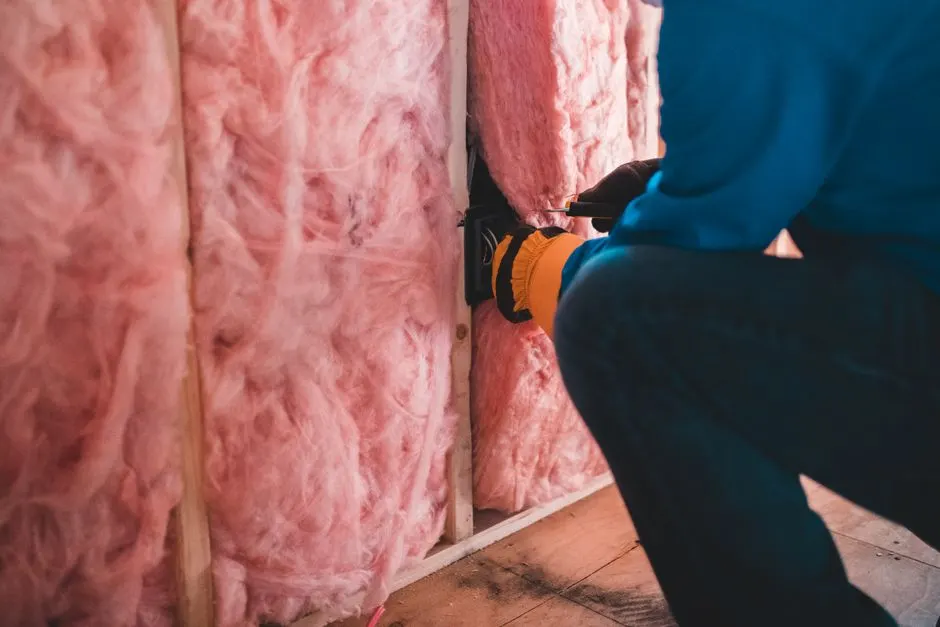
To remove spray foam insulation from a loft, you cut the foam back to the rafters or joists with a reciprocating saw or oscillating multi-tool, scrape off the residue, bag it, and dispose of it at a licensed waste facility. In Harrogate, North Yorkshire, most lofts take one to three days to clear, and you should never attempt it without a P3 respirator and full skin coverage. This guide walks you through the methods, the real costs, the safety rules, and the point at which calling in a professional is the smarter move.
We have cleared hundreds of lofts across Harrogate and the surrounding villages, from Victorian terraces near the Stray to 1970s semis in Bilton. The foam itself is rarely the problem. The problem is what it hides: trapped moisture, rotting timbers, and mortgage lenders who will not lend until it is gone. If you are dealing with a lender, our mortgage lender spray foam removal in Harrogate, North Yorkshire service handles the paperwork as well as the removal.
Why remove spray foam insulation from your loft?
Spray foam insulation removal is the process of extracting cured polyurethane foam from roof rafters, joists, or the underside of a roof deck because it is trapping moisture, blocking ventilation, or failing a survey. In Harrogate's climate - wet winters, humid summers - foam applied directly to the underside of a roof deck is the most common culprit. It seals the roof so tightly that condensation cannot escape, and within a few years you get damp timbers and black mould.
There are three other reasons we see regularly:
- Mortgage refusal. Most high-street lenders flag spray foam as a structural risk. If you are selling or remortgaging, removal is often a condition of the offer.
- Failed insulation. Open-cell foam can absorb water and lose its thermal value. Closed-cell foam applied too thickly can crack as the roof moves.
- Hidden defects. Foam sprayed over battens and felt hides broken tiles, slipped slates, and rotten sarking boards. You cannot inspect what you cannot see.
If you are unsure whether your loft actually has a problem, an insulation assessment in Harrogate, North Yorkshire will tell you within an hour. We check moisture readings, ventilation paths, and timber condition before recommending any removal.
Is it safe to remove spray foam insulation from a loft yourself in Harrogate, North Yorkshire?
No - not unless you have the right respirator, extraction, and waste licence, because cured spray foam releases isocyanates and fine dust when cut. The Health and Safety Executive classes isocyanates as respiratory sensitisers. Once you are sensitised, even a tiny exposure can trigger asthma. That is not a risk worth taking to save a few hundred pounds.
Beyond the health risk, there are three practical barriers to DIY removal in Harrogate:
- Waste disposal. Spray foam is classified as hazardous waste in many cases. North Yorkshire Council's household waste recycling centres will not accept it in general skips. You need a licensed carrier.
- Access. Most Harrogate lofts have a 600mm hatch and a trussed roof. Getting a reciprocating saw, a vacuum, and yourself into that space without damaging the trusses is harder than it looks.
- Ventilation. If you cut foam without a proper extraction unit, dust settles across the whole house. We have seen it coat furniture two floors down.
If you still want to attempt it, read the next two sections carefully. If you would rather not, our loft spray foam removal in Harrogate, North Yorkshire team does this every week.
Tools and materials you will need
Before you start, gather everything. Stopping halfway to drive to B&Q on Skipton Road is how accidents happen.
- P3 half-mask respirator with replaceable filters (not a paper dust mask)
- Disposable coveralls with a hood, plus nitrile gloves and eye protection
- Reciprocating saw with a coarse wood blade, or an oscillating multi-tool for tight corners
- Heavy-duty scraper and a stiff wire brush
- Industrial vacuum with a HEPA filter (a domestic Henry will clog in minutes)
- Heavy-duty polythene sheeting and duct tape to seal the loft hatch
- Wheelie bins or builder's bags rated for hazardous waste
- A second person outside the loft to pass tools and monitor you
Budget around £150-£300 for the PPE and consumables if you are buying from scratch. That is before you pay for waste disposal, which we cover below.
Step-by-step: how to remove spray foam insulation from a loft
Work in short sessions - 30 minutes on, 15 minutes out - because heat builds fast under a roof even in October. Here is the sequence we follow on every job.
1. Seal the loft hatch and set up extraction
Tape polythene over the hatch frame from the inside, leaving a flap you can climb through. Run a hose from your HEPA vacuum to a window on the floor below. This stops dust migrating into bedrooms.
2. Cut the foam into manageable sections
Set your reciprocating saw to a slow speed. Cut vertical lines down the rafter bays, then horizontal lines every 300-400mm. Do not try to pry large sheets off in one go - cured foam is brittle and will snap, sending fragments everywhere.
3. Scrape back to the timber
Use the scraper to remove the last 5-10mm of foam stuck to the wood. A wire brush gets into the grain. You do not need to get every trace off; lenders and surveyors want the ventilation path clear and the timber visible for inspection.
4. Vacuum as you go
Keep the vacuum running next to your cut. Every fragment you catch is one less fragment in your lungs or your carpet.
5. Bag and label the waste
Double-bag the foam in builder's bags. Label them 'spray foam insulation - hazardous waste'. North Yorkshire Council requires this for commercial disposal.
6. Inspect the timbers
Once the foam is off, check for damp patches, white mould, or soft wood. If you find rot, stop and call a roofer. Removing foam from rotten timbers without fixing the leak is wasted effort.
7. Restore ventilation
Fit eaves vents or tile vents if the foam was blocking airflow. Without this, the condensation problem returns within a season.
How much does it cost to remove spray foam insulation from a loft in Harrogate?
Typical 2026 pricing in Harrogate for professional loft spray foam removal runs from £1,800 to £4,500 for a standard three-bed semi, depending on foam type, thickness, and access. DIY removal saves the labour but adds £300-£600 in PPE, equipment hire, and licensed waste disposal - and you still carry the health risk.
Here is how the numbers break down for a typical Harrogate job:
- Open-cell foam, 100mm thick, 40m² loft: £1,800-£2,600
- Closed-cell foam, 150mm thick, same loft: £2,800-£4,500
- Waste disposal (licensed carrier): £250-£500
- Reinstating ventilation: £150-£400
We quote after a free survey, and the price we give is the price you pay. No day-rate surprises. If you are comparing quotes, ask whether waste disposal and ventilation are included - some cheap quotes leave both out.
How long does loft spray foam removal take in Harrogate?
A standard Harrogate loft takes one to three working days to clear, with most jobs finishing in two. Open-cell foam comes out faster because it is softer. Closed-cell foam is denser and can double the time.
Factors that push a job toward the three-day mark:
- Foam sprayed across the whole roof deck, not just between rafters
- Limited loft access (hatch under 550mm, or a loft conversion with restricted headroom)
- Foam that has bonded to felt or sarking boards
- Additional timber repairs once the foam is off
We schedule most Harrogate jobs within five working days of the survey. If you have a mortgage deadline, tell us at the survey stage and we will prioritise accordingly.
Common mistakes to avoid
The mistakes we see most often in Harrogate lofts are all avoidable with a bit of planning.
- Using a paper dust mask. It will not stop isocyanate particles. You need a P3 respirator, fit-tested.
- Cutting without extraction. Dust travels through the house. Seal the hatch and run a HEPA vacuum.
- Prying foam off in sheets. It snaps and shatters. Cut it into sections first.
- Skipping the timber inspection. If you remove foam and ignore damp, you will be back in the loft within a year.
- Putting foam in the household bin. North Yorkshire Council will not collect it, and fly-tipping carries a fine of up to £50,000.
- Forgetting ventilation. Removing foam without restoring airflow just moves the condensation problem.
One more: do not assume the foam is the only issue. In older Harrogate properties - especially around Starbeck spray foam removal where many 1930s semis have original felt - the roof felt is often as degraded as the foam. Fix both or neither.
When to call a professional
Call a professional if the foam is closed-cell, if it covers more than 30m², if you have any respiratory condition, or if a mortgage lender is involved. Those four situations cover about 80% of the lofts we see in Harrogate.
We handle the removal, the waste paperwork, the timber inspection, and the ventilation reinstatement in one visit. You get a clean loft, a disposal certificate, and a report you can send to your lender. If you want a same-day assessment, our spray foam removal near me in Harrogate, North Yorkshire page explains how we schedule surveys across the town.
We also work with landlords and letting agents across the Harrogate district. If you manage multiple properties, our commercial spray foam removal in Harrogate, North Yorkshire service covers blocks, HMOs, and commercial units.
Frequently Asked Questions
How do I remove spray foam insulation from my loft in Harrogate?
Cut the foam into sections with a reciprocating saw, scrape back to the timber, vacuum the dust with a HEPA unit, and dispose of the waste through a licensed carrier. Wear a P3 respirator and full skin coverage throughout. Most Harrogate lofts take one to three days.
Is it safe to remove spray foam insulation from a loft yourself in Harrogate North Yorkshire?
It is not safe without a P3 respirator and extraction, because cured foam releases isocyanates when cut. Those chemicals can cause permanent respiratory sensitisation. DIY also leaves you responsible for hazardous waste disposal, which North Yorkshire Council will not accept at household recycling centres.
How much does it cost to remove spray foam insulation from a loft in Harrogate?
Professional removal in Harrogate costs £1,800-£4,500 for a standard three-bed semi in 2026, depending on foam type and thickness. DIY saves the labour but adds £300-£600 in PPE, equipment, and licensed waste disposal, plus the health risk.
How long does loft spray foam removal take in Harrogate?
Most Harrogate lofts take one to three working days, with two days being typical. Open-cell foam is faster to remove than closed-cell. Restricted access or additional timber repairs can push the job to three days or more.
Can I remove spray foam insulation from my loft myself in Harrogate?
You can, but only with proper PPE, extraction, and a licensed waste carrier. If the foam is closed-cell, covers more than 30m², or a mortgage lender is involved, we strongly recommend a professional. The risks - respiratory damage, structural damage, and illegal waste disposal - outweigh the savings.
Get help with Spray foam removal in Harrogate
If you would rather not spend your weekend in a dusty loft with a reciprocating saw, we can clear it for you. We survey, remove, dispose, and reinstate ventilation - and we leave the loft clean enough to inspect.
Call us on 0333 567 2543 to book a survey. We cover Harrogate, Knaresborough, Ripon, Wetherby, and the surrounding North Yorkshire villages.